


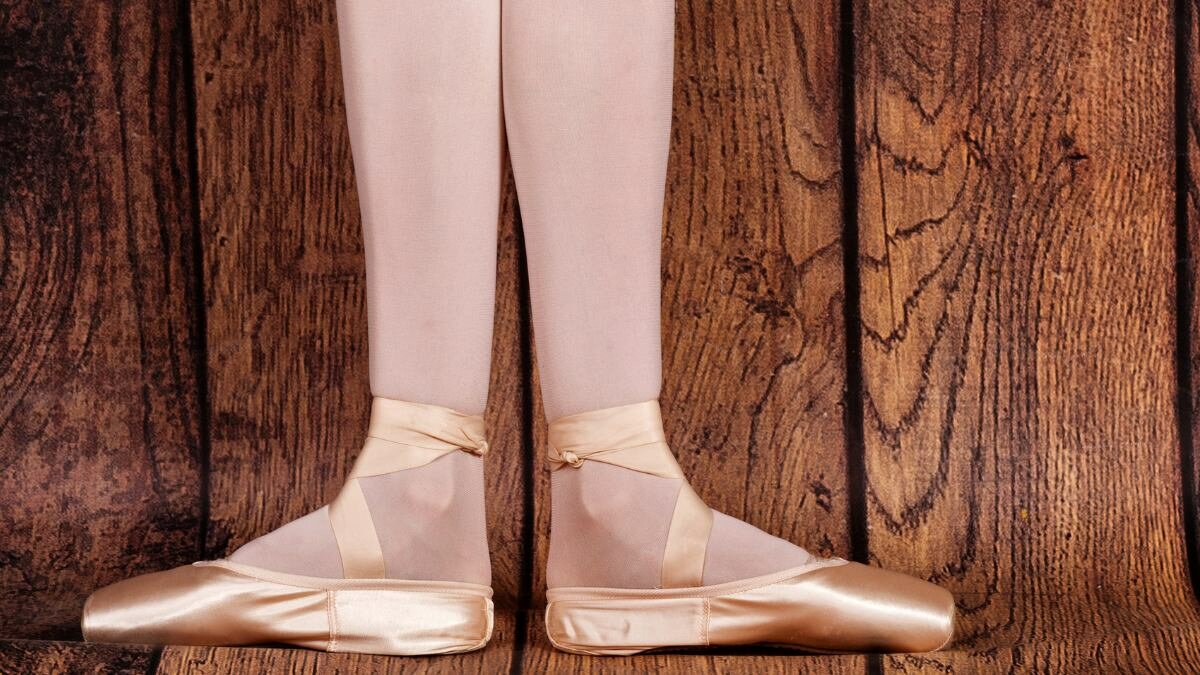
"The search for perfection in fifth position and in en dehors is a common goal for many dancers. However, it is a challenge that requires not only constant practice but also a deep understanding of anatomy and body balance.
One of the most common problems dancers face is trying to close fifth position without sticking the butt out or bending the front knee. Many traditional teachers suggest using the rotation allowed by the knee to achieve this goal. However, this technique can lead to a fifth position that looks perfect only externally but is not very functional in movement, and it can even put the knee and ankle joints at risk.
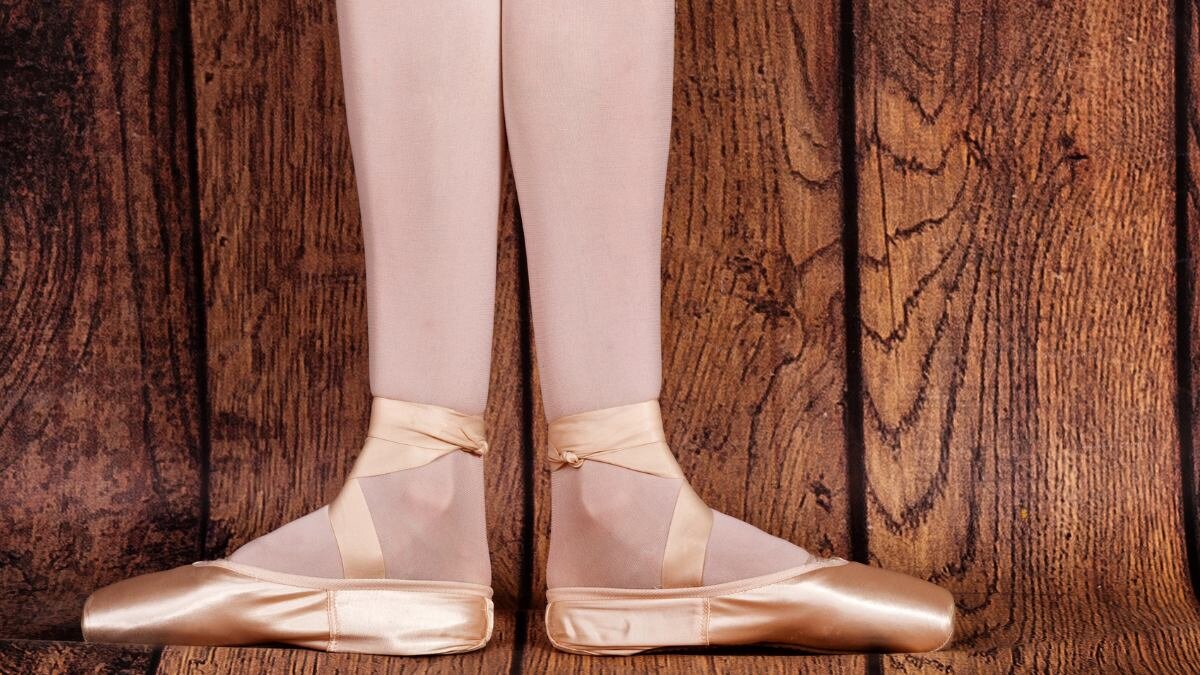
To tackle this challenge more effectively, it is important to examine the main causes of an imperfect fifth position:
Misaligned pelvis: The pelvis plays a crucial role in en dehors. Imagine the pelvis as a bowl of water. If it tilts forward, backward, or sideways, the water spills. To keep the pelvis in a neutral position, you need to develop good awareness of the body axis and strengthen the core muscles. Exercises like the plank can be effective for this purpose.
Hyperextended knees: Knees that hyperextend backward can make it harder to close fifth position without bending the front leg. To solve this problem, it is essential to learn to activate the quadriceps, the front thigh muscle, to avoid hyperextension. Some specific classes can help manage this anatomical feature.
Hip external rotator muscles: En dehors is possible thanks to the action of the hip external rotator muscles. However, dancers often do not use these muscles correctly. It is important to train them in a targeted way. Resistance exercises, such as using an elastic band to slowly open the top leg, can be effective in activating and strengthening these muscles.
Note that squeezing the glutes alone will not improve en dehors; it is the external rotators that do the heavy lifting.
To achieve an impeccable fifth position and en dehors, you need to devote time and effort. The path to improvement requires consistency and a deep understanding of anatomy and biomechanics. By continuing to work on these aspects, dancers can reach ever higher levels of precision and beauty in their movement."